

Non-Surgical vs. Surgical Endodontic Treatment
When a tooth is infected or damaged, the goal is to save it whenever possible. In endodontics, we have two main paths to do that. One is non-surgical, which means we work through the top of the tooth. The other is surgical, which means we work near the root tip from the side. Both approaches are designed to remove infection and keep the tooth securely in your mouth, maintaining its natural function as long as possible. Each method has its own strengths and is chosen based on the dental issue at hand, your comfort, and clinical indicators.
At Evergreen Endodontics, we always start with the least invasive option to prioritize your comfort and quick recovery. Most teeth can be effectively treated with root canal therapy or non-surgical retreatment. These methods focus on accessing the canals through the tooth's crown, cleaning out infected tissues, and sealing the canals to prevent future problems. However, if these treatments are not sufficient or applicable, we discuss surgical options like apicoectomy. This decision is not taken lightly. It hinges on the specific condition of your tooth, your overall health history, and what yields the best long-term outcome for you.
When non-surgical treatment is the right choice
Non-surgical treatment is the standard first step in addressing tooth infections. The process involves making a small opening in the crown of the tooth to access the infected nerve tissue. During this procedure, we remove the affected tissue, meticulously clean the intricate canal system, and then seal these canals to prevent future infection. This approach is successful for most teeth because it addresses the root cause directly. It is favored for its predictability and relatively swift recovery process. Patients often return to their normal activities the same day, experiencing minimal discomfort thanks to advanced anesthesia techniques and our gentle care approach.
In instances where a tooth has undergone prior treatment and complications persist, non-surgical retreatment may be necessary. This approach involves removing the old filling materials to locate the issue's source and attending to new or recurring infections. It is not uncommon for a tooth to require retreatment when initial healing does not go as planned. By addressing the underlying problem, this procedure often restores the tooth's health, preserving its function and appearance. Think of it as giving your tooth a second chance. We take care to ensure that your retreatment is thorough to avoid future complications.

When surgery becomes the better option
Sometimes, despite best efforts, non-surgical methods cannot fully address the dental issue, making surgical treatment the preferable option. In certain cases, the canals of the tooth may be blocked, preventing effective treatment from the crown-access point. The infection may persist at the root tip, which is out of reach for standard non-surgical techniques. When faced with deep infections or structural obstacles, surgical intervention provides a direct path to resolve the problem.
- The canals are blocked and cannot be retreated from the crown.
- There is a persistent infection at the root tip that non-surgical care cannot reach.
- A root or canal has an unusual shape that makes retreatment difficult.
- There is a fracture or defect near the root tip.
- Previous treatment has already been attempted without success.
Surgical procedures, such as apicoectomy, allow us to make a small incision in the gum to access the tooth's root tip directly. This direct approach is valuable when non-surgical access is limited or when anatomical challenges make standard retreatment difficult. It is often employed when previous non-surgical attempts have not adequately resolved the problem, such as when an unusual root shape or hidden fractures are present. Our experienced team uses precise techniques to ensure the surgical procedure is as comfortable and efficient as possible, minimizing recovery time and ensuring the best possible outcome.
The choice between non-surgical and surgical care is not about preference. It revolves around what will effectively solve the issue at hand. At Evergreen Endodontics, we take time to explain each option clearly and provide answers to any questions you might have. Our goal is to empower you to make an informed decision about your dental health. Patients from Cle Elum, Fall City, and Issaquah trust us to guide them toward the right path for their unique needs, ensuring both their immediate comfort and long-term dental health.
Not sure which treatment you need?
We will evaluate your tooth and explain your options in plain language. Call (425) 697-9777 to schedule an exam.
This article is for educational purposes only and is not a substitute for a dental exam or professional diagnosis.
Frequently Asked Questions
What is non-surgical endodontics?+
What is surgical endodontics?+
Which option has a better success rate?+
Will I need surgery after a root canal?+
Related Articles
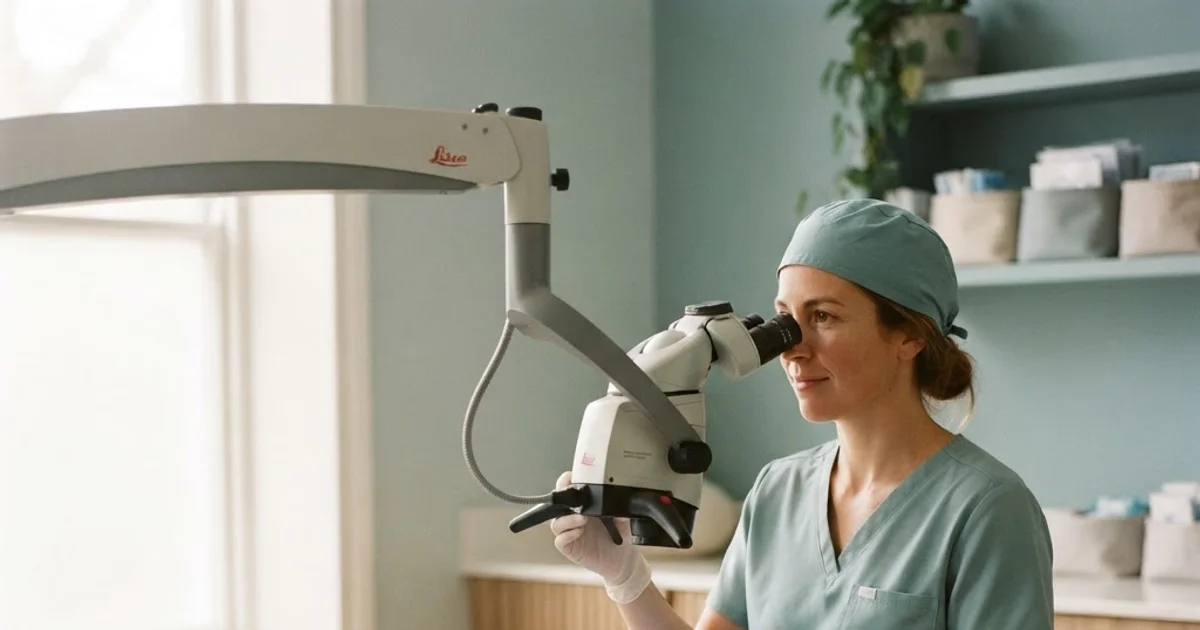
Periapical Disease and Apicoectomy: A Patient Guide
If a root canal does not fully heal, infection can remain at the root tip. Learn how an apicoectomy can save the tooth.
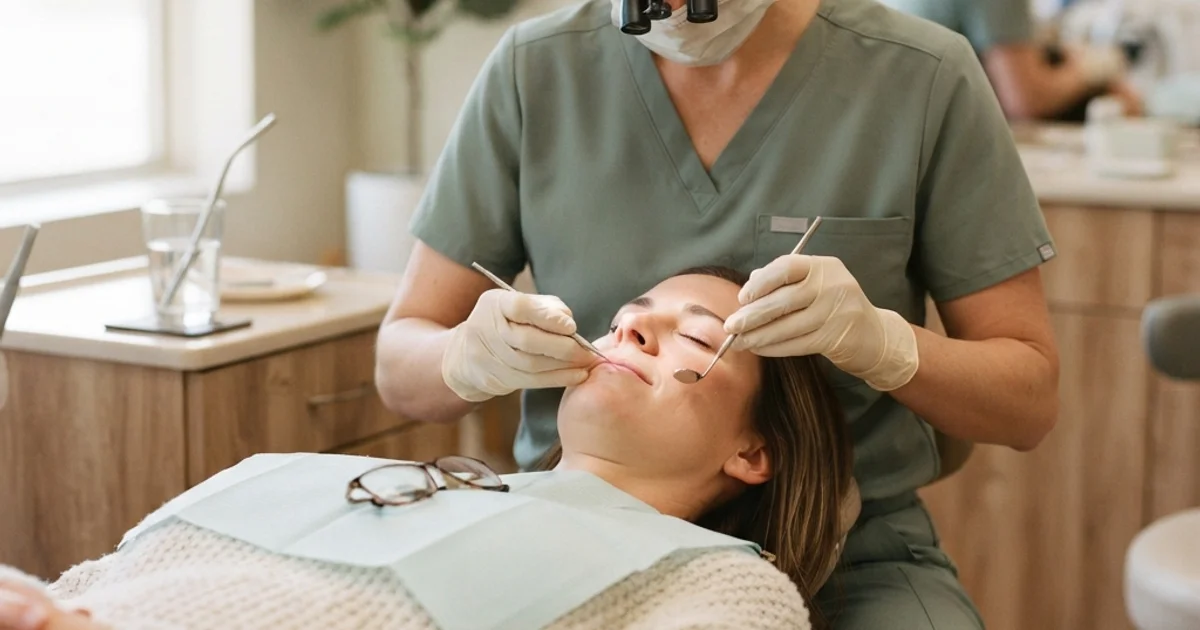
Root Canal Retreatment: Giving a Tooth a Second Chance
A previous root canal can sometimes fail. Retreatment removes the old filling, finds the problem, and reseals the tooth.
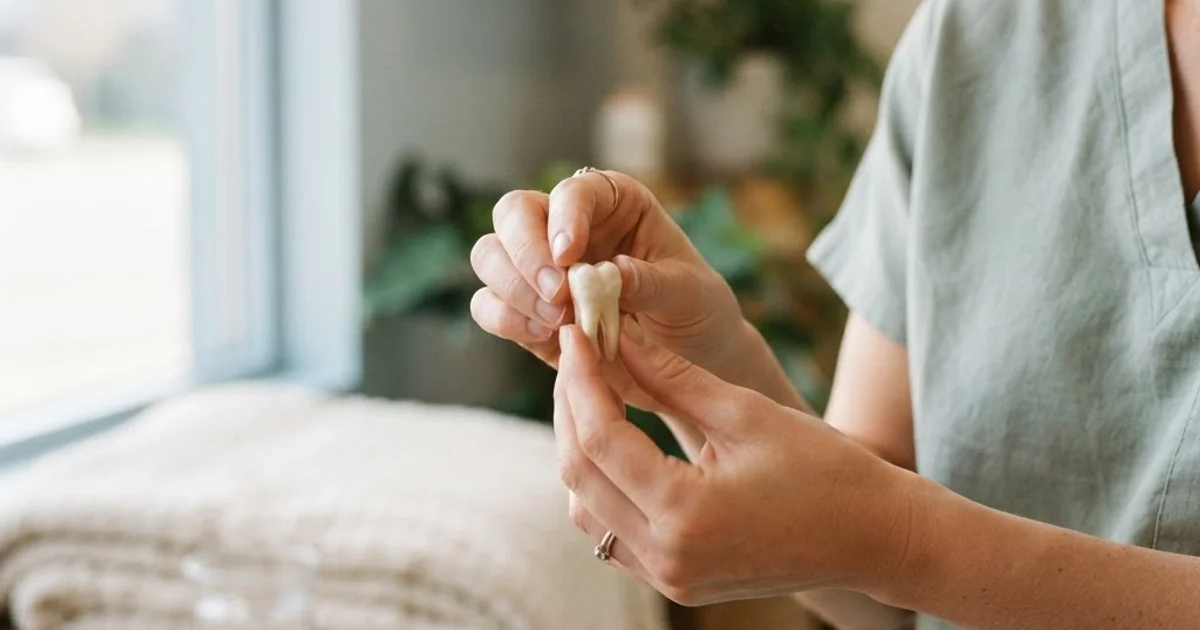
Saving Your Tooth vs. Extraction: What to Consider
Should you save your tooth or pull it? Here is what to think about before making a decision you cannot undo.
Ready to feel better?
Call us or schedule online. We reserve same-day appointments for tooth pain, and we are here to help you save your tooth.
Most dental insurance plans accepted. New patients are always welcome.
Serving the Greater Seattle Area
Expert endodontic care for patients throughout the Eastside communities. Same-day emergency appointments available.
Areas We Serve
Don't see your city listed? We welcome patients from throughout the greater Seattle area. Call us to discuss your endodontic care needs.