
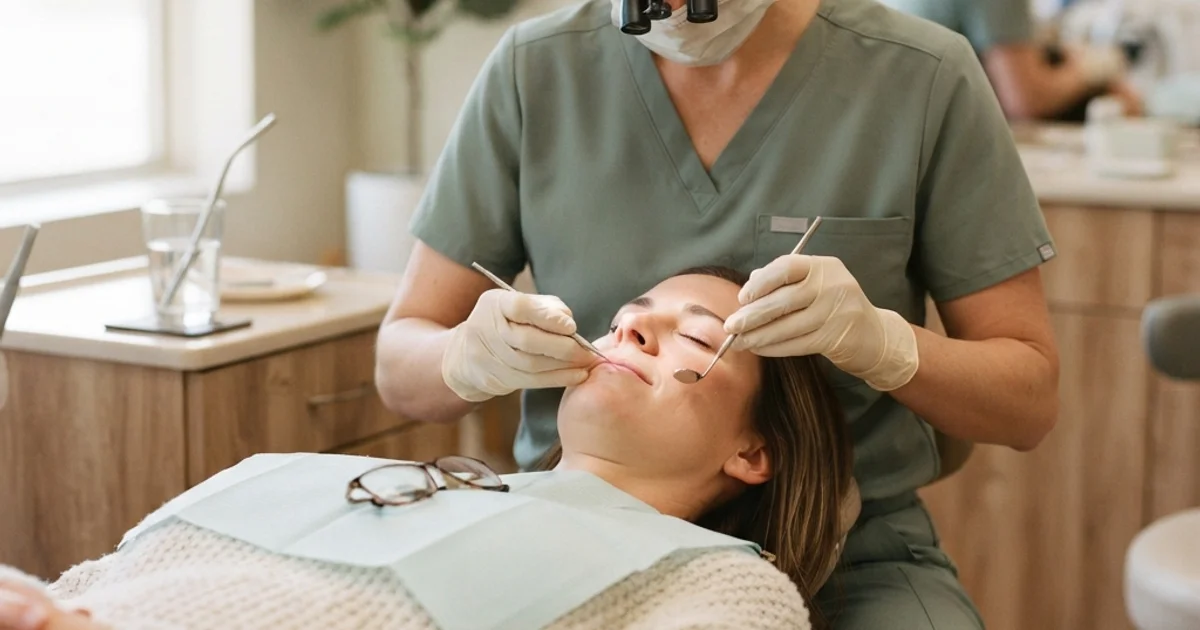
Root Canal Retreatment: Giving a Tooth a Second Chance
Most root canals heal well and last for many years. The procedure is often highly effective in relieving pain and infection. However, in a small percentage of cases, they do not heal as expected. You might notice that the tooth remains tender or painful, or see a persistent dark area on the X-ray. Sometimes the symptoms come back months or even years later. When this happens, it can be both confusing and frustrating. But there is hope: retreatment can often save the tooth and restore your comfort.
At Evergreen Endodontics, we specialize in endodontic retreatment. This procedure gives the tooth a second chance by removing the old canal filling, identifying and addressing the source of the problem, and resealing the canal system. It is more complex than a first root canal, but when done correctly, the success rate is high. We are committed to helping you preserve your natural tooth whenever possible.
Common reasons a root canal may fail
- A canal was missed during the first treatment.
- The canal was not fully cleaned or shaped.
- The root canal filling did not seal tightly.
- A new cavity or crack allowed bacteria to re-enter.
- The final crown was delayed or did not seal well.
Understanding why a root canal may fail helps us target our approach for retreatment. When a canal is missed, the lingering bacteria can cause ongoing infection and discomfort. This can happen if the canal is hidden or has an unusual shape. Incomplete cleaning and shaping can leave behind infected tissues, which may lead to reinfection. Likewise, if the filling does not seal tightly or the final crown is delayed, bacteria may find a way back into the canals, continuing to cause problems. Each step in the retreatment process aims to address these potential issues and improve the chances of long-term success.

The retreatment process
When you come in for retreatment, our first goal is to make sure you are comfortable and understand the procedure. We begin by discussing your symptoms and reviewing your previous dental records. Then, using a local anesthetic, we numb the tooth to eliminate discomfort. Once you are comfortable, we make a small opening to access the canal. This is where the precision work begins. We meticulously remove the old filling material using magnification and small instruments. This step is crucial, as any missed debris or bacteria can compromise the treatment.
Once the canal is clean, we locate and address the source of the problem. This could involve reshaping the canals or applying special disinfectants to ensure they are free of bacteria. We might use advanced tools such as ultrasonic devices to achieve thorough cleaning. After ensuring the canal is properly cleaned and shaped, we place a new filling to seal it from the inside. The tooth is then sealed with a temporary filling until your general dentist can restore it with a permanent crown. This final step is essential for the long-term protection and strength of your tooth, helping prevent any bacteria from entering and compromising the retreatment.
Retreatment requires patience and precision. I use a microscope and 3D imaging to make sure nothing is missed. This technology gives me a detailed view of the root structure, helping to catch even the smallest issues that could lead to failure. This attention to detail is why patients from Bellevue, Redmond, and Issaquah trust us with their most challenging cases. Experience and technology work hand-in-hand to give your tooth the best chance at a successful second treatment.
Think your root canal needs retreatment?
We will evaluate the tooth and explain whether retreatment or another option is best. Call (425) 697-9777.
Remember, while it might seem daunting to undergo a procedure again, retreatment can make a significant difference in your dental health. Allowing your natural tooth to heal properly can prevent the need for more extensive procedures, such as extraction or dental implants. We are here to support you through this process and ensure you understand each step. Your comfort and understanding of the procedure are our top priorities. We encourage open communication and will answer any questions you have along the way.
This article is for educational purposes only and is not a substitute for a dental exam or professional diagnosis.
Frequently Asked Questions
Why would a root canal need retreatment?+
Is retreatment painful?+
How is retreatment different from a first root canal?+
What if retreatment is not possible?+
Related Articles

Not All Root Canals Are the Same
A root canal is not a commodity. The skill, tools, and time behind it make a real difference in whether your tooth lasts.

Periapical Disease and Apicoectomy: A Patient Guide
If a root canal does not fully heal, infection can remain at the root tip. Learn how an apicoectomy can save the tooth.
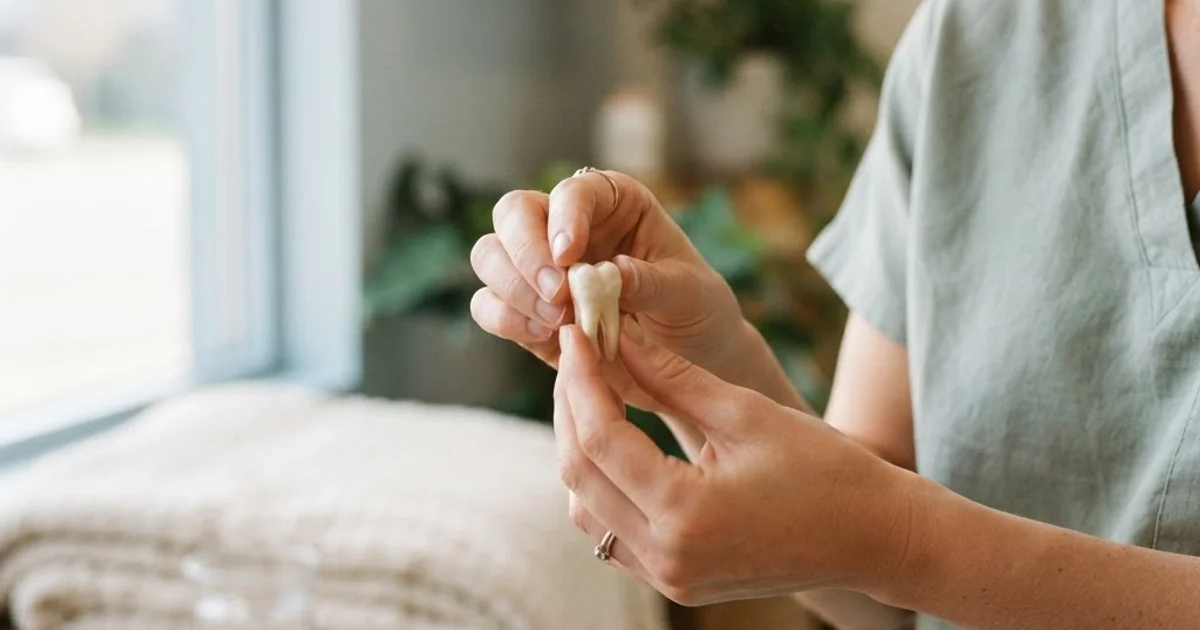
Saving Your Tooth vs. Extraction: What to Consider
Should you save your tooth or pull it? Here is what to think about before making a decision you cannot undo.
Ready to feel better?
Call us or schedule online. We reserve same-day appointments for tooth pain, and we are here to help you save your tooth.
Most dental insurance plans accepted. New patients are always welcome.
Serving the Greater Seattle Area
Expert endodontic care for patients throughout the Eastside communities. Same-day emergency appointments available.
Areas We Serve
Don't see your city listed? We welcome patients from throughout the greater Seattle area. Call us to discuss your endodontic care needs.