
Periapical Disease and Apicoectomy: A Patient Guide
Most root canals heal well. The infection is removed, the canal is sealed, and the bone around the root recovers. This is excellent news for many patients as they experience relief and healing. But in some cases, a stubborn infection remains at the very tip of the root. This persistent issue is known as periapical disease, and it can cause discomfort and potential further complications if left untreated. You might feel frustrated when this happens, especially after undergoing the initial treatment believing it would end your dental issues. However, there are effective solutions, so you are not alone.
When periapical disease occurs, we have several ways to tackle it. Sometimes endodontic retreatment can solve this issue. Think of it as giving the tooth another opportunity with a refreshed approach: we clean and seal the canals again. This non-surgical procedure aims to clear up lingering infection. However, if the infection persists despite these efforts, an apicoectomy might be the next best step. This surgical procedure specifically targets the infected root tip, removing it to prevent future infection.
How an apicoectomy works
During an apicoectomy, we start by making a small, precise opening in your gum near the root tip. This technique allows us direct access to the troublesome area. By surgically removing the infected tissue and the very end of the root, we address the problem right where it is happening. Once the infected tissue is gone, we place a small filling to seal the canal from the bottom. This is a key step to keep infection from returning. The procedure is meticulous, and thanks to modern practices, the incision can be quite small.
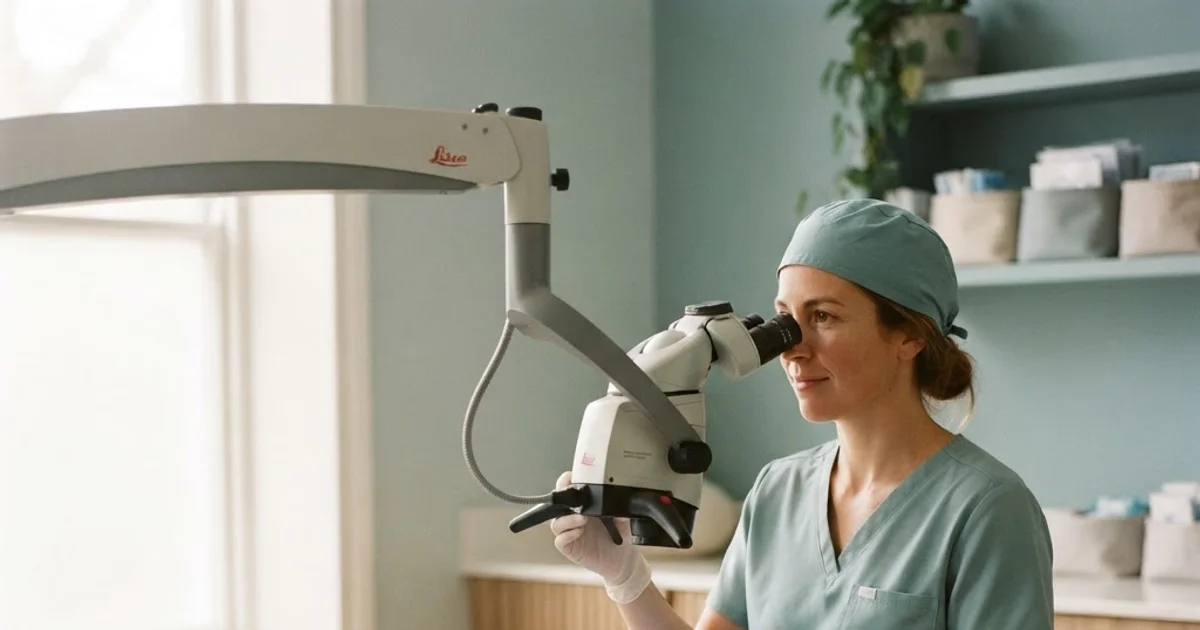
We use advanced technology: a microscope and 3D imaging to meticulously plan and execute this surgery. These tools help us navigate around important structures like nerves and sinuses near the surgery site, minimizing any potential disruption. The primary goal is to remove the troublemaker - the infection - while keeping as much of your healthy tooth and surrounding bone intact as possible. By doing this, we increase the chances of maintaining your natural tooth, which is almost always better than opting for an extraction. It allows you to retain your tooth's natural function, improving comfort and oral health in the long run.

Recovery and long-term success
Recovery from an apicoectomy is generally smooth. Some swelling and tenderness are common initially, but these are easily managed with over-the-counter pain medication. You may feel a slight discomfort for the first few days, but many patients return to work and their regular activities the next day. This is reassuring for anyone concerned about downtime. Over the following months, your body naturally heals, and the bone around the root area strengthens, supporting the newly treated tooth. We monitor this healing process with follow-up exams and X-rays to ensure everything is progressing well.
For residents in areas like Covington and Issaquah, having this surgery available locally is a significant advantage. It means less time spent traveling to and from appointments and more convenience for busy schedules. The apicoectomy can often be the final step needed to save a tooth that would be at risk for extraction. Saving your natural tooth provides peace of mind and the comfort of maintaining something that functions naturally in your mouth.
Long-term success is possible and common after an apicoectomy. Key factors include following post-operative care instructions closely and attending all your regular dental check-ups. By maintaining good oral hygiene practices, such as regular brushing and flossing, and being vigilant about changes in the treated area, you significantly increase the longevity and health of the treated tooth. Each case is unique, so keeping open lines of communication with your dental care provider is crucial to ensure that your treatment continues to be successful over time.
Have questions about surgery?
We will explain whether an apicoectomy or retreatment is the right option for your tooth. Call (425) 697-9777.
This article is for educational purposes only and is not a substitute for a dental exam or professional diagnosis.
Frequently Asked Questions
What is periapical disease?+
When is an apicoectomy needed?+
Is an apicoectomy painful?+
Will I need a crown after an apicoectomy?+
Related Articles

Non-Surgical vs. Surgical Endodontic Treatment
Not every endodontic problem needs surgery. Here is how we decide between non-surgical and surgical treatment.
Root Canal Retreatment: Giving a Tooth a Second Chance
A previous root canal can sometimes fail. Retreatment removes the old filling, finds the problem, and reseals the tooth.
Can a Tooth Infection Be Invisible? Understanding Asymptomatic Infections
A tooth can be infected without any pain. Here is how these silent infections are found and why they still need treatment.
Ready to feel better?
Call us or schedule online. We reserve same-day appointments for tooth pain, and we are here to help you save your tooth.
Most dental insurance plans accepted. New patients are always welcome.
Serving the Greater Seattle Area
Expert endodontic care for patients throughout the Eastside communities. Same-day emergency appointments available.
Areas We Serve
Don't see your city listed? We welcome patients from throughout the greater Seattle area. Call us to discuss your endodontic care needs.