

Saving Your Tooth vs. Extraction: What to Consider
One of the hardest conversations I have with patients is whether to save a tooth or extract it. Sometimes the tooth is badly broken or the infection is severe, and extraction is the only realistic option. But in many cases, the tooth can be saved with endodontic treatment, and keeping it is the better long-term choice.
Your natural tooth is more than a chewing tool. It stimulates the bone around it, helps maintain the position of neighboring teeth, and supports the shape of your face. When you lose a tooth, the bone in that area can shrink over time. The teeth next to it may shift. Replacing a missing tooth with an implant or bridge is possible, but it is usually more expensive and time-consuming than saving the tooth.
Each tooth plays a crucial role in the overall harmony of your mouth. Losing even one can disrupt this balance, leading to further issues with oral health, speech, and even self-esteem. While the technology behind dental implants and bridges has advanced significantly, they never quite match the perfection of what nature designed. You might find a gap impacts how you eat or speak, causing challenges you did not anticipate. This highlights why preserving your natural tooth often makes more sense when the option is available.
When saving the tooth makes sense
If the tooth has enough solid structure and the infection or inflammation can be controlled, a root canal is usually the best path. After treatment, your dentist places a crown to protect the tooth. With good care, the tooth can function for decades. Many patients from North Bend, Snoqualmie, and Issaquah choose this route because it preserves their natural smile and bite.
Root canal therapy is not just a treatment. It is an investment in your dental health and your future. When we do a root canal, we remove the infected tissue, clean the inside of your tooth, and seal it to prevent further infection. With a new crown to reinforce it, the tooth can often provide years or even decades of reliable service. By choosing to save your tooth, you are opting for a process that respects the natural balance of your teeth.
Saving the tooth is also often the most cost-effective option. The cost of a root canal plus a crown is usually less than the cost of extraction, bone grafting, implant, and crown. Insurance also tends to cover more of endodontic treatment than tooth replacement.
Think of a root canal and crown like repairing and fortifying a home's foundation. A sound tooth structure supports adjacent teeth, wards off bone loss, and retains natural chewing efficiency. These benefits make preserving the natural tooth not only financially wise but also health-wise. The upfront investment is typically less than the combined cost of subsequent treatments to replace a lost tooth.
When extraction is the right choice
- The tooth is cracked below the gumline and cannot be restored.
- There is not enough bone support to hold the tooth.
- The tooth is severely decayed and little healthy structure remains.
- Root canal treatment has a low chance of success due to the damage.
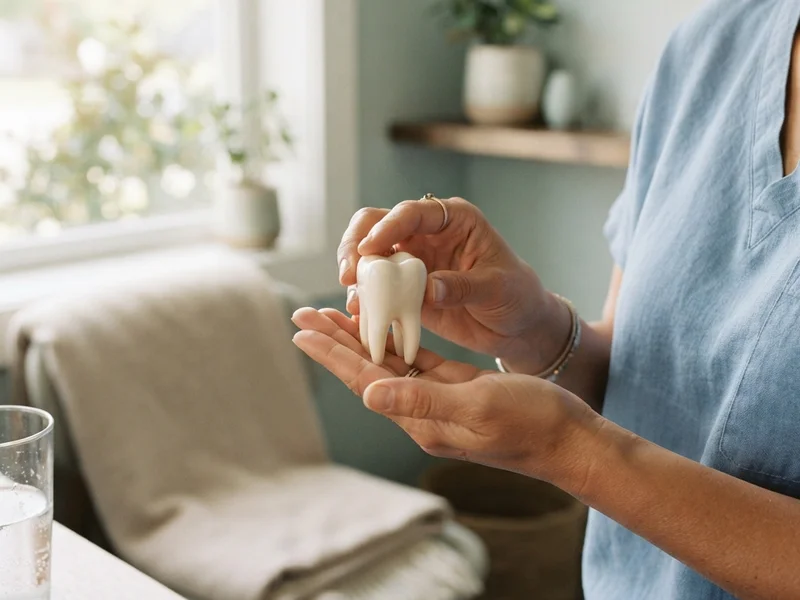
Sometimes, despite our best efforts, extraction becomes the necessary path. When a tooth is cracked below the gumline or has suffered extensive damage, it is beyond what even the most advanced endodontic techniques can save. Insufficient bone support is another red flag where extraction becomes unavoidable. Trying to salvage a tooth in these situations often leads to prolonged pain and possible infection.
When extraction is needed, we refer you to a trusted oral surgeon or dentist. But my job as an endodontist is to make sure you have explored every option to save the tooth first. A second opinion is always reasonable if you are unsure.
We collaborate closely with specialists to ensure that if extraction is required, it is handled with the utmost care. Some patients feel apprehensive about removal and the circumstances that follow, but rest assured that we guide you every step of the way. The choice between saving and extraction often hinges on long-term oral health benefits versus immediate concerns.
Wondering if your tooth can be saved?
We will give you an honest assessment and a clear recommendation. Call (425) 697-9777 or request an appointment online.
This article is for educational purposes only and is not a substitute for a dental exam or professional diagnosis.
Frequently Asked Questions
Is it better to save a tooth or extract it?+
What happens if I extract a tooth?+
Can all teeth be saved?+
How long does a root-canaled tooth last?+
Related Articles
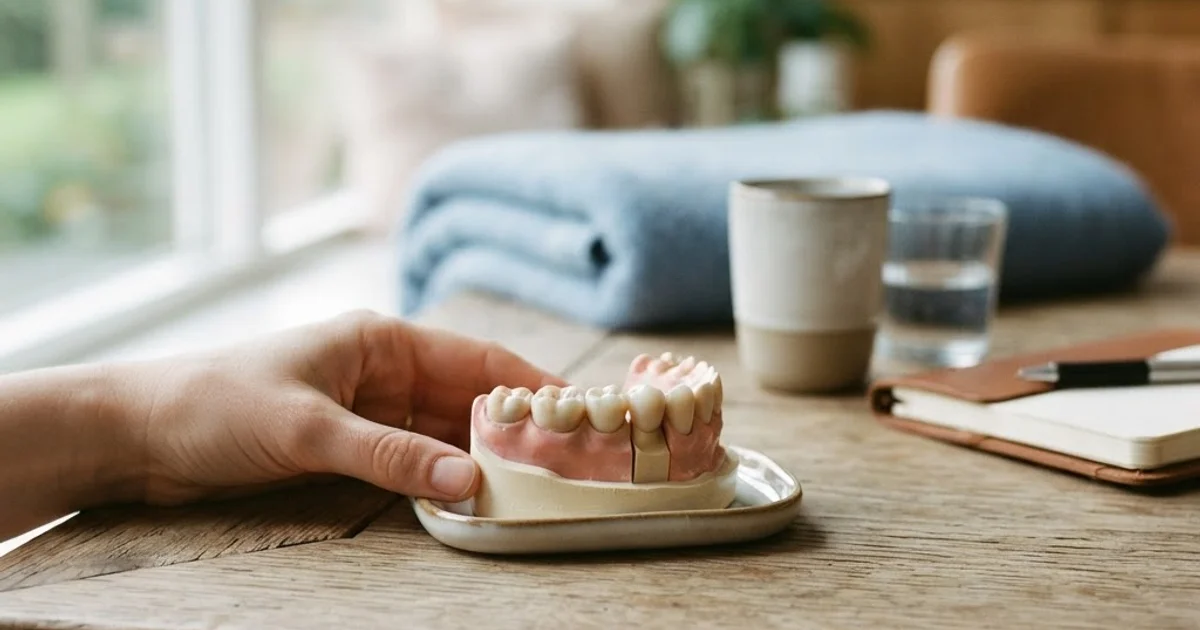
After a Root Canal: Core Build-Up and Crown
A root canal saves the inside of the tooth. A crown protects the outside. Here is what happens after your procedure.

Periapical Disease and Apicoectomy: A Patient Guide
If a root canal does not fully heal, infection can remain at the root tip. Learn how an apicoectomy can save the tooth.

Not All Root Canals Are the Same
A root canal is not a commodity. The skill, tools, and time behind it make a real difference in whether your tooth lasts.
Ready to feel better?
Call us or schedule online. We reserve same-day appointments for tooth pain, and we are here to help you save your tooth.
Most dental insurance plans accepted. New patients are always welcome.
Serving the Greater Seattle Area
Expert endodontic care for patients throughout the Eastside communities. Same-day emergency appointments available.
Areas We Serve
Don't see your city listed? We welcome patients from throughout the greater Seattle area. Call us to discuss your endodontic care needs.