
After a Root Canal: Core Build-Up and Crown
After a successful root canal, the infected or inflamed nerve is carefully removed, leaving the tooth free of pain and infection. However, this is not the final step. The tooth itself still faces numerous challenges: it needs to withstand the pressures and forces from daily activities like biting and chewing. To ensure it remains protected from bacteria and functions properly, the next steps - core build-up and crown placement - are crucial.
At Evergreen Endodontics, we dedicate our expertise to treating the interior of your tooth. This involves thoroughly cleaning the canals, sealing them to prevent future infections, and temporarily filling the access hole. This sets the stage for your recovery. Once this crucial step is complete, your general dentist steps in to finish the restoration by placing a permanent crown. This collaborative effort between our specialists and your dentist helps ensure your tooth remains strong and durable for years to come.
Why a crown is usually necessary
Undergoing a root canal changes the structure of your tooth. The central tissue, known as the pulp, is removed during the process. This tissue plays a role in the tooth's flexibility and resilience to chewing forces. Without it, the tooth can become brittle and prone to damage under everyday stress. Thus, without extra protection, such as a crown, it risks cracking or sustaining structural damage.
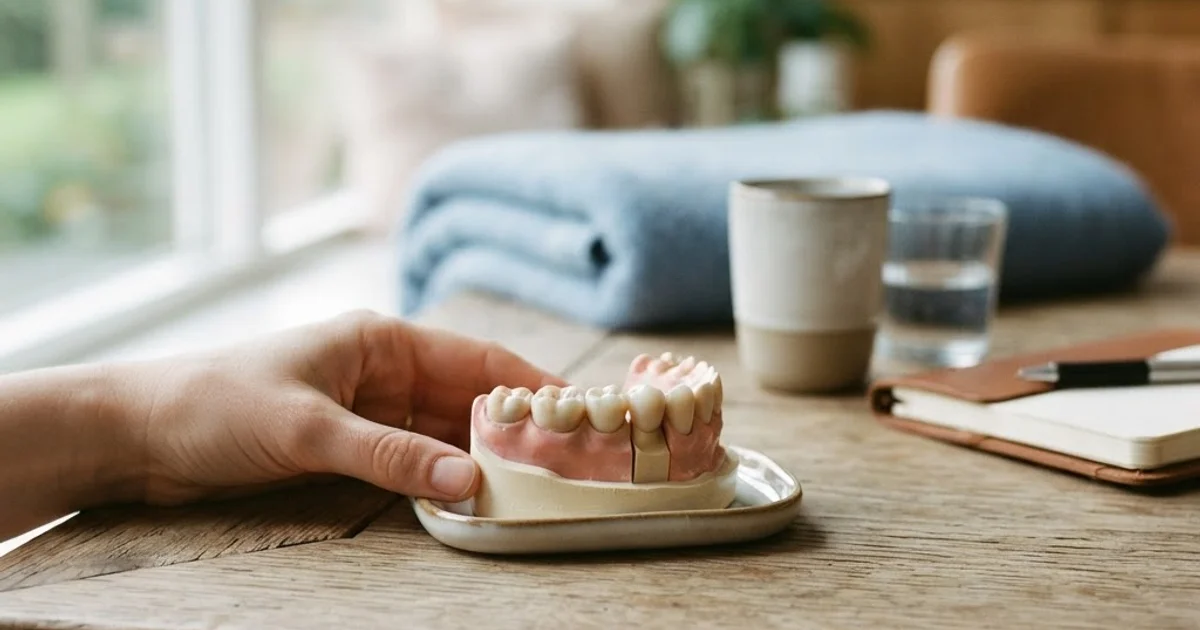
A crown acts as a protective shield, much like a helmet for your tooth, distributing chewing forces evenly and reducing the risk of fracture. This is particularly important for molars and premolars, which face the brunt of chewing pressures. Crowns can be crafted from various materials, such as porcelain, metal, or a combination of both, offering both beauty and strength. By encasing the visible part of the tooth, a crown significantly enhances its durability and longevity.
In many cases, the remaining natural tooth structure is inadequate to support a crown without additional reinforcement. This is where a core build-up becomes essential. The core build-up fills in any gaps, essentially reconstructing the missing parts and providing a stable foundation for the crown. This process is akin to laying a solid foundation before constructing a building. In some instances, a post may be inserted into the canal for heightened stability, which provides an anchor when the natural tooth structure is minimal. However, your dentist will determine if this is necessary based on the condition of your tooth.
How quickly should you get the crown?
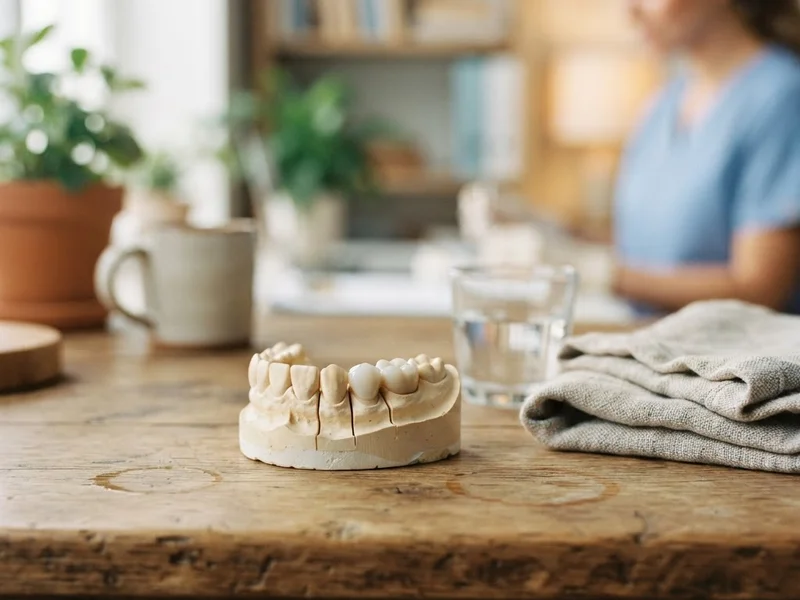
Timing is pivotal when it comes to placing a crown after a root canal. Ideally, I advise scheduling a visit to your general dentist a few weeks post-procedure. This is because, while the root canal treatment itself is effective in removing infection and safeguarding the tooth's interior, the temporary filling used to cover the access hole can only offer limited protection. Prolonged delays in getting a crown can leave your tooth susceptible to fractures or potential re-infections. Imagine the tooth is a book without a cover in a bustling library - the crown serves as the cover that protects the pages inside.
If you experience any discomfort, sensitivity, or notice any changes in the tooth after the root canal, it is crucial to reach out to your dentist without delay. This proactive approach can prevent minor issues from developing into significant problems. Your dental health is a shared journey between you and your dental care providers, and communication is key.
In the event that you do not currently have a general dentist, rest assured that we can assist by recommending reputable professionals within our network. Our services extend to patients across Issaquah, Maple Valley, Black Diamond, and surrounding communities, ensuring access to quality dental care.
Remember that completing this final restoration step is just as vital as the root canal itself. While root canal therapy is effective in preserving the tooth internally, it is the crown that will safeguard it externally. Understanding and following through with these steps will greatly enhance the longevity of the treatment. For a more comprehensive understanding of root canal therapy and what you can expect, please explore our root canal therapy page. This page offers a more detailed view on how our endodontic procedures can benefit your oral health.
Need a root canal? Start with us.
We will treat the inside of the tooth and coordinate with your dentist for the final crown. Call (425) 697-9777 to schedule.
This article is for educational purposes only and is not a substitute for a dental exam or professional diagnosis.
Frequently Asked Questions
Do I need a crown after a root canal?+
What is a core build-up?+
Does Evergreen Endodontics place the crown?+
How long should I wait to get a crown?+
Related Articles

Root Canal Retreatment: Giving a Tooth a Second Chance
A previous root canal can sometimes fail. Retreatment removes the old filling, finds the problem, and reseals the tooth.

Saving Your Tooth vs. Extraction: What to Consider
Should you save your tooth or pull it? Here is what to think about before making a decision you cannot undo.

Your First Visit to an Endodontist: What to Expect
A first visit to an endodontist can feel intimidating. Here is what happens, from check-in to treatment planning.
Ready to feel better?
Call us or schedule online. We reserve same-day appointments for tooth pain, and we are here to help you save your tooth.
Most dental insurance plans accepted. New patients are always welcome.
Serving the Greater Seattle Area
Expert endodontic care for patients throughout the Eastside communities. Same-day emergency appointments available.
Areas We Serve
Don't see your city listed? We welcome patients from throughout the greater Seattle area. Call us to discuss your endodontic care needs.