

Why Is My Tooth Sensitive After a Crown?
If you recently had a crown placed and now the tooth feels sensitive to cold, hot, or chewing, you are not alone. I hear this concern often at Evergreen Endodontics. The good news is that not all post-crown sensitivity means something is seriously wrong. Sometimes it is a temporary adjustment period. Other times it is a sign that the nerve inside the tooth needs attention. Knowing the difference can help you decide what steps to take next.
A crown is meant to protect the tooth. But the process of preparing the tooth, wearing a temporary crown, and having the final crown cemented can all irritate the nerve. Imagine the tooth has gone through a little workout and it is just feeling a bit sore afterwards. Most of that irritation settles within a few days to a few weeks. However, if the sensitivity lingers or intensifies, it is worth having the tooth evaluated. Early intervention can often prevent more significant issues down the road.
Common reasons a tooth hurts after a crown
- The bite is slightly high. If the crown touches the opposing tooth before the rest of your teeth, it can cause pressure pain when chewing. This is somewhat like wearing shoes that do not fit properly; the discomfort needs addressing to avoid complications. A quick bite adjustment often fixes this.
- The nerve is inflamed. The drilling and cementation can irritate the pulp. Think of it as a bruise beneath the surface that either fades or unfortunately persists.
- The tooth has a crack. A crown may be placed on a cracked tooth, and the crack can extend or become more symptomatic after the tooth is prepared. It is pivotal to recognize and address these issues early.
- Gum recession or irritation. The gum tissue around the crown can be sensitive, especially if the crown margin is near the root surface. This can feel like the tooth is exposed more than usual.
- The cement is still setting. Some patients feel sensitivity for a few days from the cement or bonding process. This is akin to fresh paint on a wall; it needs time to fully set.
- Decay was deep. If the cavity or old filling was close to the nerve, the tooth may have been at risk before the crown was ever placed. This pre-existing condition can exacerbate post-crown sensitivity.
Mild sensitivity that improves over a week or two is usually normal. It is natural for your body to react as it adjusts to the new crown. But certain symptoms should not be ignored. Pain that lingers after hot or cold exposure, pain that wakes you up at night, or sharp pain when biting can mean the nerve is not recovering. In some cases, the tooth may need a root canal to remove the inflamed nerve and save the tooth. Understanding these signs will help you seek timely care.
A cracked tooth under a crown is another concern. If the crack extends into the root, the tooth may become painful to bite on and sensitive to temperature. It is similar to a cracked screen on your phone; further stress can make it worse. The sooner this is diagnosed, the better the chance of saving the tooth. A timely diagnosis often provides more options to preserve and treat the underlying problem.
How we can help
At Evergreen Endodontics, we start with a careful exam. Our approach is comprehensive: we check your bite, test the nerve response, and look at high-resolution X-rays or 3D CBCT imaging if needed. These tools help us pinpoint whether the issue lies with the crown fit, the inflamed nerve, or a potential crack. It is like getting a detailed map of your tooth's condition.

If the bite is high, we refer you back to your dentist for a quick adjustment. This collaboration ensures you get the best care. If the nerve is inflamed or infected, a root canal can relieve the pain and keep the crown in place. If there is a crack, we can advise you on whether the tooth can be saved. Our goal is to address the problem precisely with the least invasive approach.
We also take time to explain what we see. Many patients feel relieved just knowing why the tooth hurts and what their options are. We believe that understanding your situation is empowering and can alleviate anxiety. We record and share images and videos when it helps you understand your tooth. Seeing is often believing when it comes to dental issues.
Patients from Bellevue, Sammamish, and Issaquah come to us for second opinions when a tooth hurts after a crown. Many find reassurance in our thorough evaluations and clear recommendations. If you are worried about a tooth, call us at (425) 697-9777. We can usually see you quickly and give you a clear answer. We prioritize your comfort and peace of mind.
Tooth hurting after a crown?
We can evaluate the tooth, check the nerve, and tell you exactly what is going on. Call (425) 697-9777 or request a visit.
This article is for educational purposes only and is not a substitute for a dental exam or professional diagnosis.
Frequently Asked Questions
Is it normal for a tooth to hurt after a crown?+
Why does my crown hurt when I bite?+
Can a root canal save a tooth after a crown?+
When should I call an endodontist after a crown?+
Will I need a new crown after a root canal?+
Related Articles
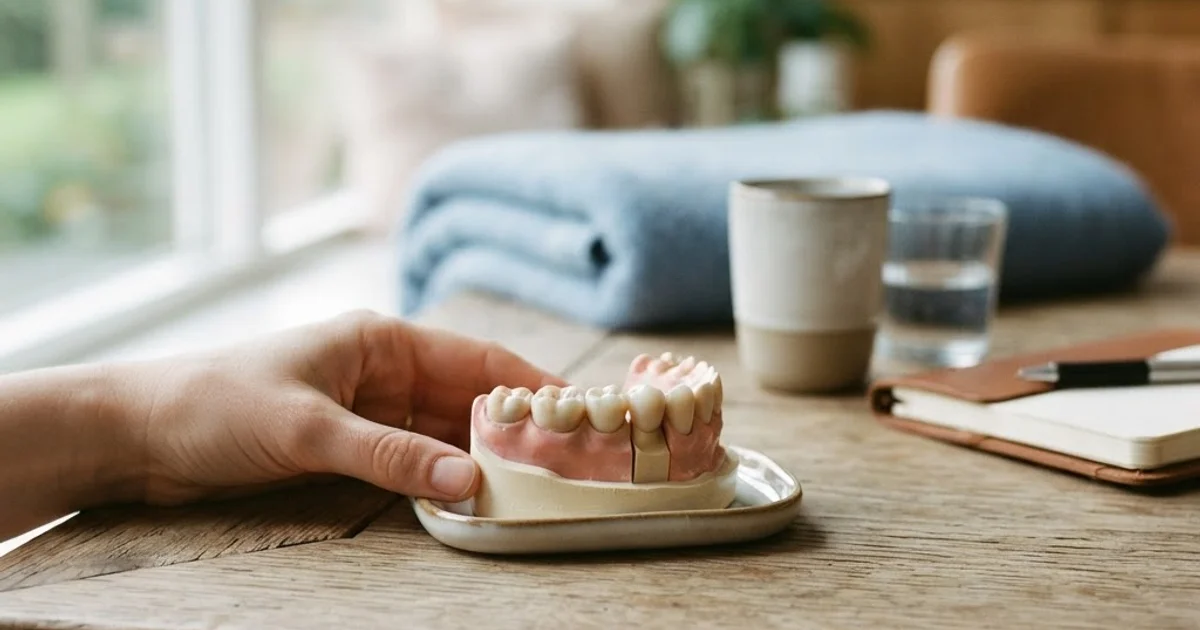
After a Root Canal: Core Build-Up and Crown
A root canal saves the inside of the tooth. A crown protects the outside. Here is what happens after your procedure.
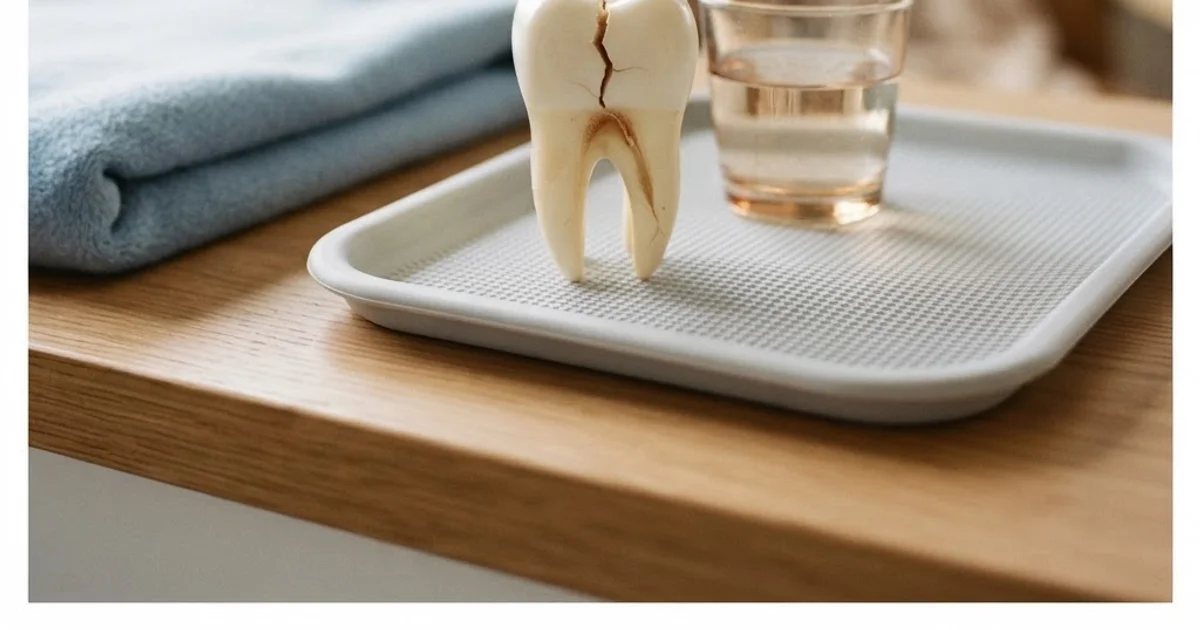
Cracked Teeth: Symptoms, Types, and Treatment
A cracked tooth can be subtle or painful. Learn the types of cracks and how we treat them before they worsen.

When Should You See an Endodontist?
Tooth pain is not always just a cavity. Here are the signs that an endodontist can help you faster and more effectively.
Ready to feel better?
Call us or schedule online. We reserve same-day appointments for tooth pain, and we are here to help you save your tooth.
Most dental insurance plans accepted. New patients are always welcome.
Serving the Greater Seattle Area
Expert endodontic care for patients throughout the Eastside communities. Same-day emergency appointments available.
Areas We Serve
Don't see your city listed? We welcome patients from throughout the greater Seattle area. Call us to discuss your endodontic care needs.