
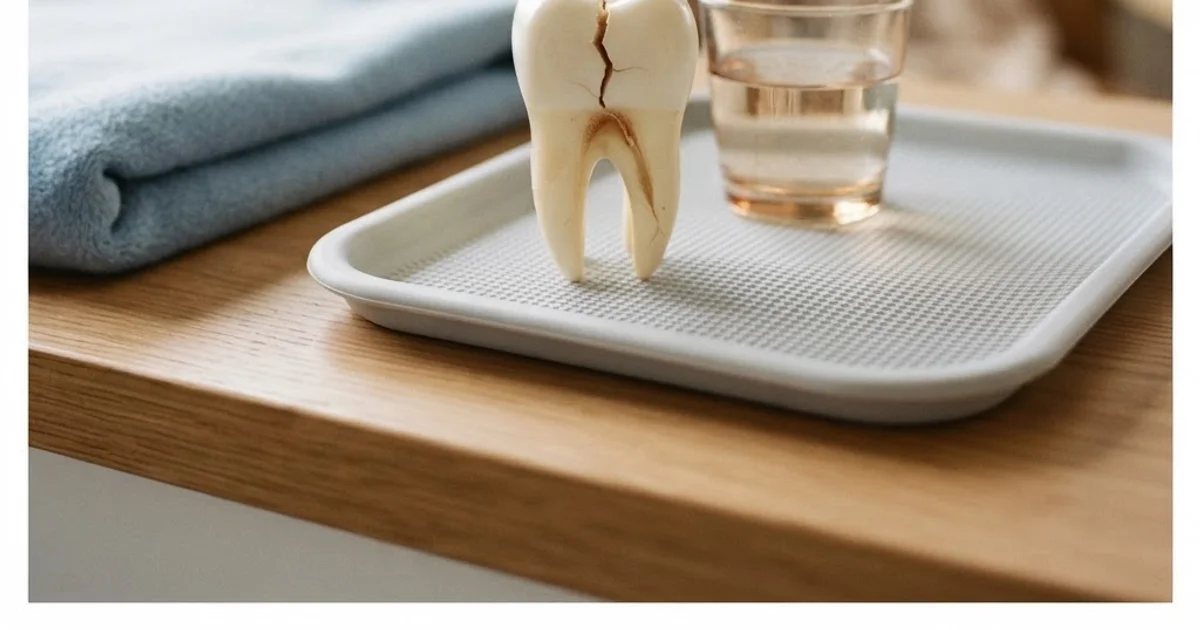
Cracked Teeth: Symptoms, Types, and Treatment
Cracked teeth are a frequent cause of visits to our office when patients experience discomfort. The sensation often varies greatly. One moment your tooth may be causing significant pain, and the next, it might seem perfectly fine. This inconsistency can lead to confusion and frustration, highlighting the importance of a thorough dental examination. Proper assessment is crucial for accurately identifying and addressing cracked teeth since cracks often do not appear on X-rays and the pain associated with them can be unpredictable.
Here at Evergreen Endodontics, we have extensive experience in assessing cracked teeth. Our team uses advanced techniques, including magnification, bite tests, and, on certain occasions, 3D imaging to locate the crack and decide on the best treatment plan. By identifying cracks early, we widen the range of available treatment options. This improves the likelihood of preserving the affected tooth and avoiding more severe dental issues in the future.
Types of tooth cracks
- Craze lines: These are tiny, superficial cracks in the enamel of the tooth. They are common and usually harmless, primarily affecting the tooth's appearance rather than its function.
- Fractured cusp: Occurs when a piece of the chewing surface separates from the tooth. It typically involves the crown of the tooth and can often be treated by placing a crown, which restores functionality and prevents further damage.
- Cracked tooth: This condition involves a crack that extends from the chewing surface towards the root. It may require a root canal if the crack extends into the pulp chamber to remove damaged tissue and prevent infection.
- Split tooth: Represents a situation where a tooth is literally split into distinct segments. This often necessitates extraction, as the structural integrity of the tooth is compromised.
- Vertical root fracture: Characterized by a crack beginning from the root and moving upwards towards the crown. Unfortunately, this type frequently cannot be saved and may lead to extraction due to its location and impact.
Understanding the types of cracks is important because it directly influences whether your tooth can be preserved and what treatment is most suitable. Each type of crack presents unique challenges, and the treatment varies depending on the crack's severity and location. For example, while craze lines might only require cosmetic attention, a split tooth often requires extraction. This underscores why professional diagnosis is critical.
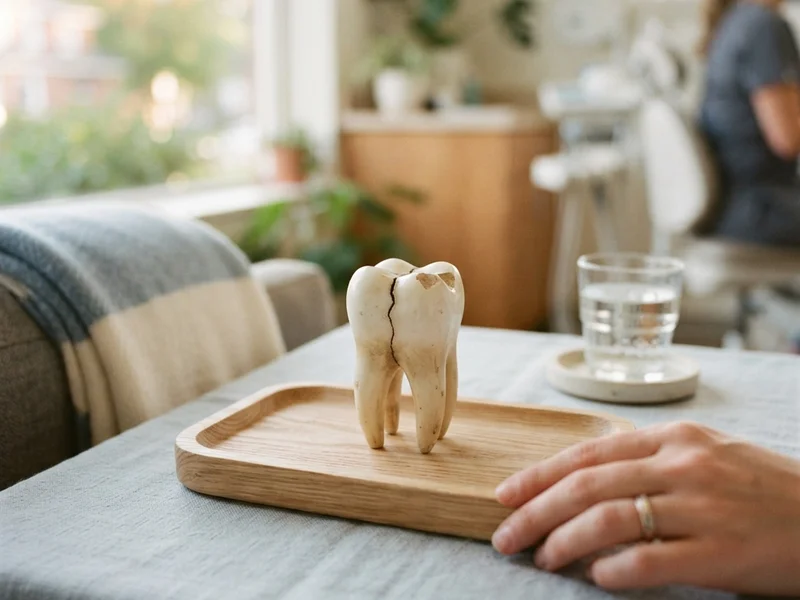
How we treat cracked teeth
The treatment approach for a cracked tooth depends primarily on the depth and location of the crack. If the crack confines itself to the crown and has not reached the nerve, a dental crown might suffice. This protective cap restores the tooth's strength and prevents further deterioration. For more severe cracks that reach the pulp chamber, a root canal becomes necessary. This procedure involves removing damaged or infected nerve tissue, alleviating pain, and preventing infection. While the idea of a root canal can be daunting, modern techniques mean the procedure is far more comfortable than in the past and a vital step to preserving the tooth.
Once a root canal is performed, your regular dentist will typically place a crown on the tooth to ensure its stability and functionality. However, for cracks that extend beneath the gumline or completely split the tooth, saving the tooth can be challenging. In such scenarios, our team will provide honest and thoughtful advice regarding the best course of action. Options may include extractions and then discussions around possible replacements like dental implants. Whether you are from Hobart, Preston, or Issaquah, we commit to offering each patient thorough evaluations and personalized care. This personalized approach ensures that you understand every aspect of your treatment plan.
Although the prospect of losing a tooth may seem daunting, timely intervention and appropriate treatment can prevent the situation from worsening, and it might even save your tooth in some cases. If you suspect a cracked tooth, seeking a professional evaluation promptly can make all the difference. The sooner you address the issue, the better your chances of preserving your natural tooth and avoiding more complex treatments.
Sharp pain when biting?
That is a classic sign of a cracked tooth. Call (425) 697-9777 for a same-day evaluation.
This article is for educational purposes only and is not a substitute for a dental exam or professional diagnosis.
Frequently Asked Questions
How do I know if my tooth is cracked?+
Can a cracked tooth be saved?+
What is a craze line?+
Do cracked teeth always need a root canal?+
Related Articles

How We Diagnose Tooth Pain: Vitality, Percussion, and the Tooth Sleuth
Tooth pain can be tricky to locate. Here is how we use gentle tests to find the tooth and the cause.

When Should You See an Endodontist?
Tooth pain is not always just a cavity. Here are the signs that an endodontist can help you faster and more effectively.

How Tooth Symptoms Progress Before a Root Canal
Tooth symptoms usually worsen over time. Here is how they progress, and why early treatment is easier.
Ready to feel better?
Call us or schedule online. We reserve same-day appointments for tooth pain, and we are here to help you save your tooth.
Most dental insurance plans accepted. New patients are always welcome.
Serving the Greater Seattle Area
Expert endodontic care for patients throughout the Eastside communities. Same-day emergency appointments available.
Areas We Serve
Don't see your city listed? We welcome patients from throughout the greater Seattle area. Call us to discuss your endodontic care needs.