
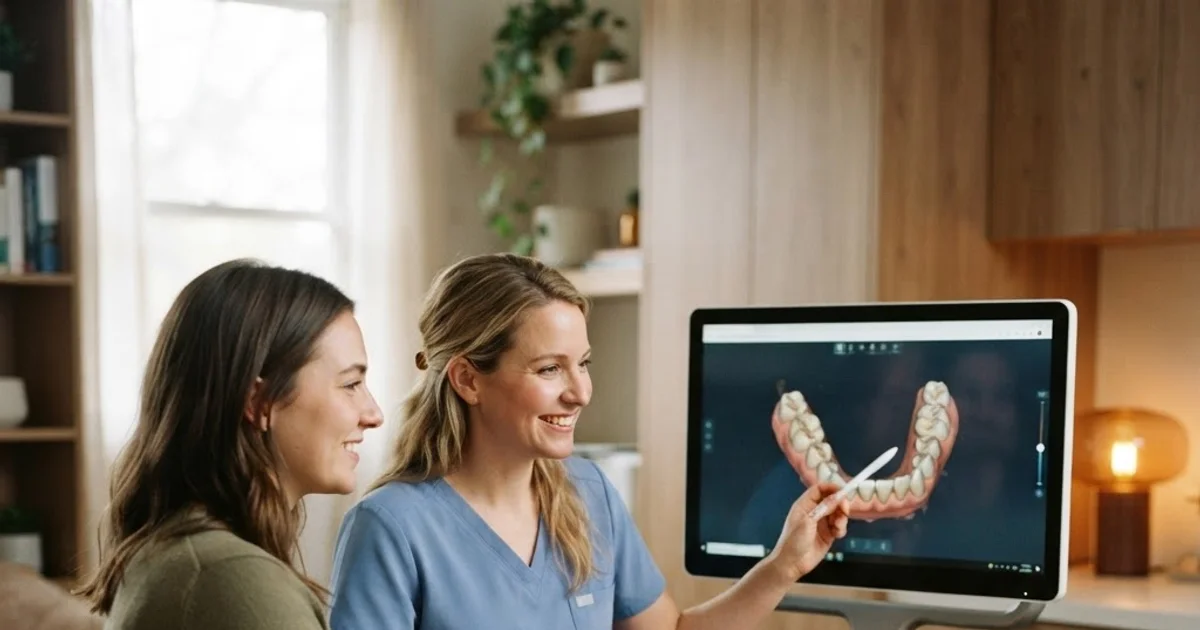
2D X-Rays vs. 3D CBCT Imaging: What Patients Should Know
Imaging is one of the most important parts of endodontic diagnosis. A good image lets us see the shape of the roots, the location of infection, and the health of the surrounding bone. For many years, dentists relied on 2D X-rays. They are still useful, but they only show one flat view at a time. Imagine trying to understand what is inside a box by only looking at a photo of its front side. That is similar to how 2D X-rays work, except instead of a box, we are dealing with the complex structures inside your mouth. These views provide basic, yet crucial, information that we depend on for initial assessments and standard diagnoses.
At Evergreen Endodontics, we also use 3D CBCT imaging when the case calls for it. CBCT stands for Cone Beam Computed Tomography, and it gives us a complete view of your tooth from every angle. This is especially helpful for diagnostic imaging cases where the standard X-ray does not tell the whole story. The 3D images provide a fuller picture, helping us to make more informed decisions about your care. This technology acts like a virtual map of your dental anatomy, offering a level of detail that goes beyond what standard X-rays can offer.
When 2D X-rays are enough
Routine root canals often do not need 3D imaging. A high-quality 2D X-ray can show us the number of roots, the length of the canals, and the presence of a large infection. It is fast, familiar, and covered by most insurance plans. For straightforward cases, this type of imaging provides all the information we need without unnecessary complexity. Many patients from Bothell and Woodinville have their treatment planned with 2D images alone. It is worth noting that these images require expert interpretation, as they provide information that must be pieced together to create a meaningful diagnosis.
Think of it this way: if you are trying to hang a picture, you only need basic details about the wall, like where the studs are found. Similarly, 2D X-rays are often sufficient for identifying straightforward concerns like large cavities, certain types of infections, and assessing the general structure. Dentists and endodontists have been trained to utilize these images to make impactful treatment decisions, ensuring that the simpler approach meets the clinical requirements effectively.
When CBCT makes a difference
- We suspect a crack that is not visible on a 2D film.
- A root canal has failed and we need to plan retreatment.
- We are preparing for an apicoectomy or surgical procedure.
- We need to locate a hidden or extra canal.
- We are evaluating trauma or root resorption.
The situations listed above are where CBCT imaging truly shines. A crack in a tooth, for example, can hide itself from a two-dimensional X-ray. The ability of CBCT to provide three-dimensional detail might reveal problems that a traditional X-ray cannot detect. This detailed perspective allows us to understand complex conditions more comprehensively, which is crucial when planning procedures like retreatment or surgery. By seeing a complete picture of your tooth's structure, we can map out the best course of action for your care. Imagine it as having a GPS for your dental health, one that guides us accurately through your unique dental landscape.
Imagine you are hiking on a dense trail that is only visible from a bird's-eye view. By having the full map (3D image), you will see where to step carefully and can avoid unwelcome surprises like obstacles or steep drops. Similarly, a detailed view of your dental anatomy aids us in navigating intricate situations that require precision and foresight. For example, if a canal has an unusual curve or forks unexpectedly, our advanced imaging ensures we plan for every twist and turn.
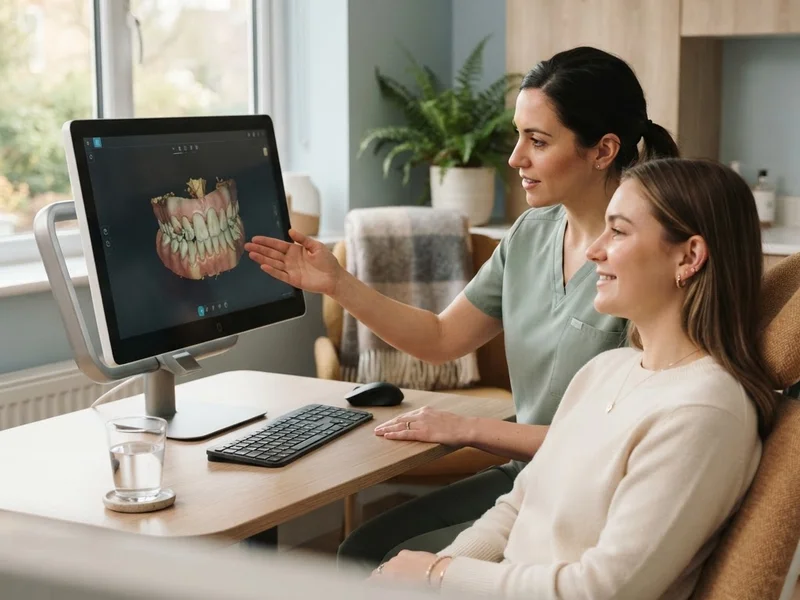
CBCT is not about taking more pictures. It is about taking the right picture. With 3D detail, we can plan your treatment more safely and avoid surprises during the procedure. That means fewer appointments, less time in the chair, and a better chance of saving your tooth. This reduces stress for you as a patient, knowing that fewer chair visits are needed because we prepared with the most detailed information at hand. A comprehensive understanding can lead to more precise interventions, which in turn reduce the likelihood of complications and methods of inefficiency during treatments.
The decision to use CBCT imaging is made with your health and needs in mind. We evaluate its necessity based on the case's complexity and your specific dental history. This thoughtful approach ensures you receive the most appropriate and beneficial care possible without exposing you to more radiation than necessary. We balance the benefits of detailed imaging with the importance of maintaining your safety at all times.
“Better imaging leads to better planning. Better planning leads to better outcomes.”
Have questions about your imaging?
We are happy to explain whether a 2D or 3D scan is right for your tooth. Call (425) 697-9777 to talk with our team.
This article is for educational purposes only and is not a substitute for a dental exam or professional diagnosis.
Frequently Asked Questions
What is CBCT imaging?+
Is CBCT safe?+
Will my insurance cover a 3D scan?+
Do I need a CBCT for every root canal?+
Related Articles

How We Diagnose Tooth Pain: Vitality, Percussion, and the Tooth Sleuth
Tooth pain can be tricky to locate. Here is how we use gentle tests to find the tooth and the cause.
Why Dental Microscopes Matter in Root Canal Treatment
Microscopes are not just fancy equipment. They help us find hidden canals, see cracks, and protect your tooth.
Cracked Teeth: Symptoms, Types, and Treatment
A cracked tooth can be subtle or painful. Learn the types of cracks and how we treat them before they worsen.
Ready to feel better?
Call us or schedule online. We reserve same-day appointments for tooth pain, and we are here to help you save your tooth.
Most dental insurance plans accepted. New patients are always welcome.
Serving the Greater Seattle Area
Expert endodontic care for patients throughout the Eastside communities. Same-day emergency appointments available.
Areas We Serve
Don't see your city listed? We welcome patients from throughout the greater Seattle area. Call us to discuss your endodontic care needs.